
US EV Sales Decline 28% in Q1 2026: The Used Electric Vehicle Market Surges
‘What happens when $7.5 billion in federal incentives vanish overnight?’ The US electric vehicle market just provided a brutal answer: new EV sales cratered by 28% in Q1 2026 while the used EV market surged 12%, exposing a historic bifurcation that threatens OEM profitability and reshapes Western automotive investment strategies.
According to Cox Automotive’s Q1 2026 Industry Insights released March 25, US new EV deliveries plummeted to just 212,600 units, down from 296,304 in Q1 2025. This collapse drove EV market share down to 5.8%—a stark retreat from the 7.5% peak recorded in Q3 2025. Meanwhile, the secondary market tells a radically different story: Americans purchased 93,500 used EVs, up 12% year-over-year and 17% from Q4 2025.
The Tax Credit Cliff: Policy Whiplash Hits Demand
The primary catalyst for this divergence lies in Washington’s policy shift. The $7,500 federal EV tax credit expired September 30, 2025, under the sunset provisions of the One Big Beautiful Bill Act, removing a critical price support mechanism that had propped up new EV demand since the Inflation Reduction Act’s implementation.
Mark Strand, Cox Automotive’s associate chief economist, notes that this expiration created a demand air pocket as consumers adjusted to true market pricing. Unlike China’s consistent subsidy framework or the EU’s CO2-based incentives, the US approach created a subsidy cliff that precipitated the steepest quarterly decline in EV adoption since the technology’s mainstream emergence.
Inventory Glut vs. Secondary Market Velocity
The new car market faces a severe supply-demand imbalance. As of Q1 2026, new EV inventory reached 130 days of supply—46% higher than the 89 days for internal combustion vehicles. This glut has triggered aggressive discounting, with average transaction prices falling to $55,300 in February 2026, narrowing the gap with gasoline vehicles to just $6,500.
Contrast this with the used EV ecosystem:
- Average used EV prices settled at $34,821—only $1,300 above comparable used ICE vehicles, down from a $10,000+ premium in early 2023
- Days supply stands at 42, nearly matching the 38-day turnover for used gasoline cars
- Lease returns from 2023-2025 IRA lease loophole transactions are flooding the market with relatively young, low-mileage inventory
Tesla’s Dominance Under Pressure
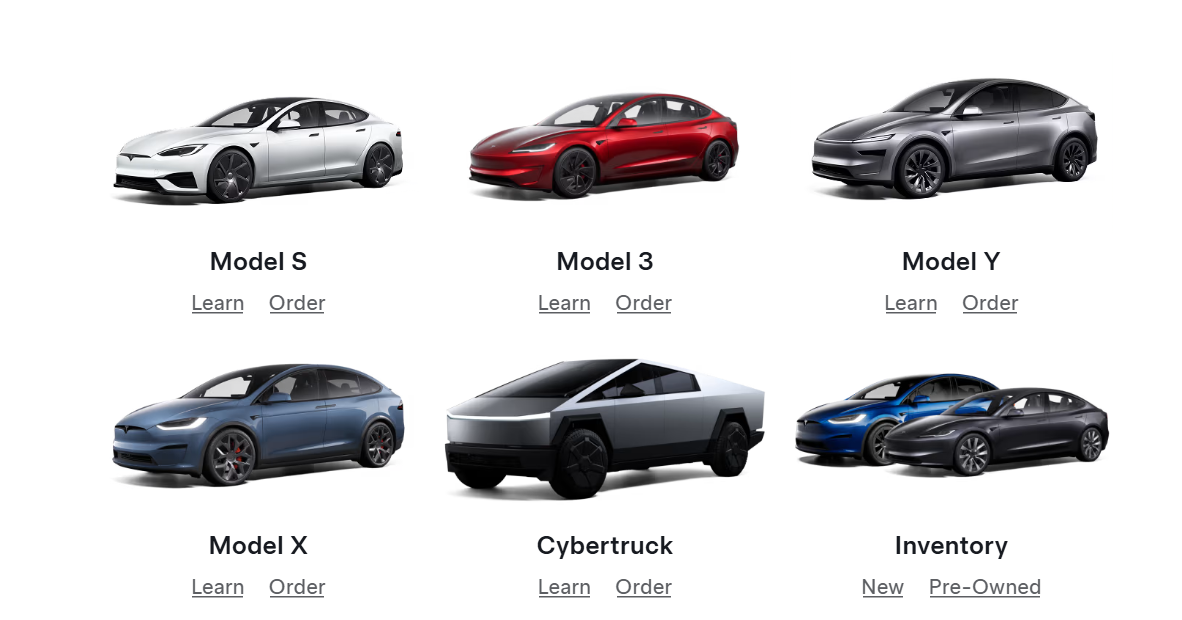
Even market leader Tesla felt the chill, delivering an estimated 122,196 units in Q1 2026, representing a 4.6% decline despite the company’s aggressive price cuts. Tesla’s overall US market share now sits at 3.3% of total new vehicle sales, down from previous quarters.
This performance contrasts sharply with Chinese EV manufacturers’ continued global expansion, where subsidized domestic markets provide stable demand foundations. See our analysis on China’s EV export strategy and Western market penetration for comparative context.
The Western Investor Perspective: What This Bifurcation Means
For US and European investors, this data signals a fundamental repricing of EV risk. The used market’s resilience—driven by affordability and improving battery reliability data—suggests sustainable demand exists at appropriate price points, but new vehicle margins face compression.
The Residual Value Crisis
The rapid depreciation of new EVs—exemplified by the collapsing used-to-new price ratio—threatens leasing profitability and fleet valuations. Traditional OEMs relying on EV transition narratives may face earnings revisions as the US market struggles to match European EV adoption rates without federal support.
Strategic Implications
Stephanie Valdez Streaty, Cox Automotive’s director of industry insights, emphasizes that the market is entering a price discovery phase where EVs must compete on total cost of ownership rather than environmental incentives. This aligns with analyst projections suggesting battery electric vehicles must reach price parity without subsidies to achieve mass adoption.
Recommended Reading
For deeper insight into the geopolitical battery competition underlying these market shifts, consider The Powerhouse: America, China, and the Great Battery War by Steve Levine. This work provides essential context on why Chinese EV markets maintain growth trajectories while Western adoption faces policy volatility.