Tesla FSD Europe Approval: Dutch Regulator Opens Door to Autonomous Future
Tesla FSD Europe Approval: Why the Dutch RDW Decision Changes Everything
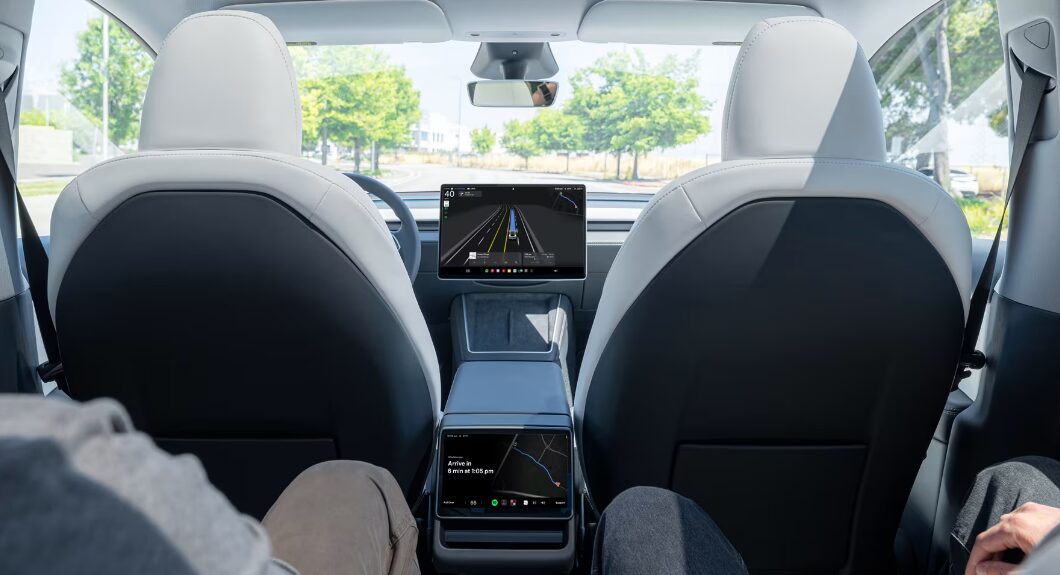
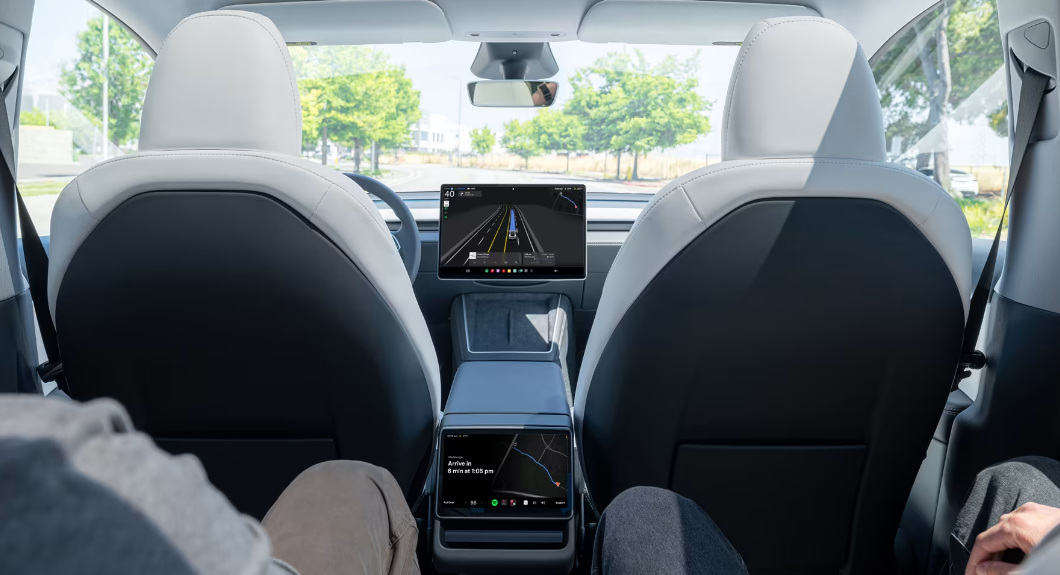
Tesla FSD Europe Approval marks a watershed moment for autonomous driving regulation. Can a single regulatory clearance in a country of 17 million people justify a $1 trillion valuation? For Tesla shareholders, the Dutch Vehicle Authority’s (RDW) recent greenlight for Full Self-Driving (FSD) Supervised on European roads may be the inflection point that bridges the gap between Elon Musk’s autonomous promises and Wall Street’s revenue expectations. This first-of-its-kind clearance for urban and highway use anywhere in Europe sets the stage for a broader EU rollout that could redefine the competitive landscape against aggressive Chinese EV entrants.
What Just Happened: The Dutch Regulatory Breakthrough
After 18 months of rigorous testing, the RDW approved Tesla’s FSD Supervised for operation on both highways and urban roads throughout the Netherlands, with the critical caveat that drivers must remain attentive. This is not just a technical milestone—it is a geopolitical beachhead. The Netherlands serves as Tesla’s European manufacturing and distribution hub, making this approval strategically significant for regional expansion.
- Scope: Approved for highway and urban road use under driver supervision
- Timeline: RDW conducted 18+ months of validation before approval
- Fleet Impact: Approximately 100,000 Model 3 and Model Y vehicles in the Netherlands are eligible for immediate software upgrades
- Next Step: RDW submitting application for EU-wide type certification
Why This Matters for Western Investors
Tesla’s European sales have faced headwinds in 2024, with aging model lineups and consumer sentiment shifts contributing to declining market share against fast-moving Chinese competitors like BYD and MG. However, February marked the first year-over-year sales growth in over a year, suggesting momentum stabilization.
The Revenue Multiplier Effect
Morningstar analyst Seth Goldstein notes that FSD approval across European markets could trigger a software-defined vehicle revenue surge. Unlike traditional automakers relying on hardware margins, Tesla’s subscription-based FSD model (already generating recurring revenue in the U.S.) offers gross margins exceeding 80%. For investors, this transforms Tesla from a car company into a tech platform—provided regulatory clearance scales beyond the Netherlands.
Competitive Positioning Against Chinese EVs
While Chinese manufacturers dominate battery cost curves and manufacturing efficiency, they lag in Level 2+/Level 3 autonomous deployment in European markets due to data localization requirements and GDPR constraints. Tesla’s Dutch approval creates a regulatory moat that legacy European automakers and Chinese entrants must now navigate, potentially buying Tesla 12-18 months of first-mover advantage in the autonomous feature race.
The Path to EU-Wide Certification
The RDW has announced it will submit Tesla’s FSD system for EU-wide type approval, requiring majority support from member states under the European Commission’s framework. This process contrasts sharply with the fragmented U.S. state-by-state approach.
Critical distinctions from the U.S. market:
- Safety Standards: The RDW explicitly stated that EU safety standards are stricter than the United States, meaning the approved European version of FSD Supervised differs technically from its American counterpart
- Liability Framework: European type approval shifts certain liability burdens to manufacturers under the EU’s Product Liability Directive, creating higher compliance bars
- Timeline Uncertainty: While Tesla projected summer 2024 approval for EU-wide deployment, regulatory voting procedures among 27 member states introduce political variables that technical validation alone cannot predict
Risk Factors: Regulatory Divergence and Market Reality
Despite the bullish catalyst, risks remain. In the U.S., FSD Supervised faces National Highway Traffic Safety Administration (NHTSA) investigations and consumer lawsuits regarding accident liability. The RDW’s insistence that EU and U.S. versions are not equivalent suggests Tesla may face ongoing engineering costs to maintain divergent software branches.
Furthermore, European consumer adoption of paid driver-assistance features historically trails American willingness to pay for subscription software. Tesla must overcome cultural price sensitivity while competing against Mercedes-Benz’s Drive Pilot and BMW’s Highway Assistant, which already hold Level 3 certifications for specific traffic conditions.
Strategic Takeaway for Buyers and Investors
For Western EV buyers, the Dutch approval signals that Tesla’s technological claims now carry regulatory validation in the world’s most stringent automotive safety jurisdiction. For investors, this represents tangible progress toward the robotaxi revenue model underpinning Tesla’s premium valuation multiple.
See our analysis on how Chinese EV makers are adapting their ADAS strategies for European regulatory frameworks to understand the competitive dynamics Tesla now faces.
As Tesla prepares to activate FSD Supervised for Dutch owners, the automotive industry watches whether this regulatory domino triggers rapid EU harmonization—or reveals the fragmentation that has historically slowed autonomous vehicle deployment in the European market.