Changan L3 L4 Autonomous License: How China’s SOE Outmaneuvered Western Robotaxi Timelines
Changan L3 L4 Autonomous License: How China’s State-Owned Giant Just Outmaneuvered Western Robotaxi Timelines
While Tesla’s Cybercab stalls on regulatory desks in Washington and Waymo retreats from San Francisco expansion plans, Changan Automobile has quietly secured something unprecedented in the autonomous vehicle race: simultaneous approval for both mass-market L3 deployment and commercial L4 robotaxi testing. This dual Changan L3 L4 autonomous license breakthrough represents more than bureaucratic box-checking—it signals a fundamental divergence in how Beijing and Western capitals are approaching the driverless future.
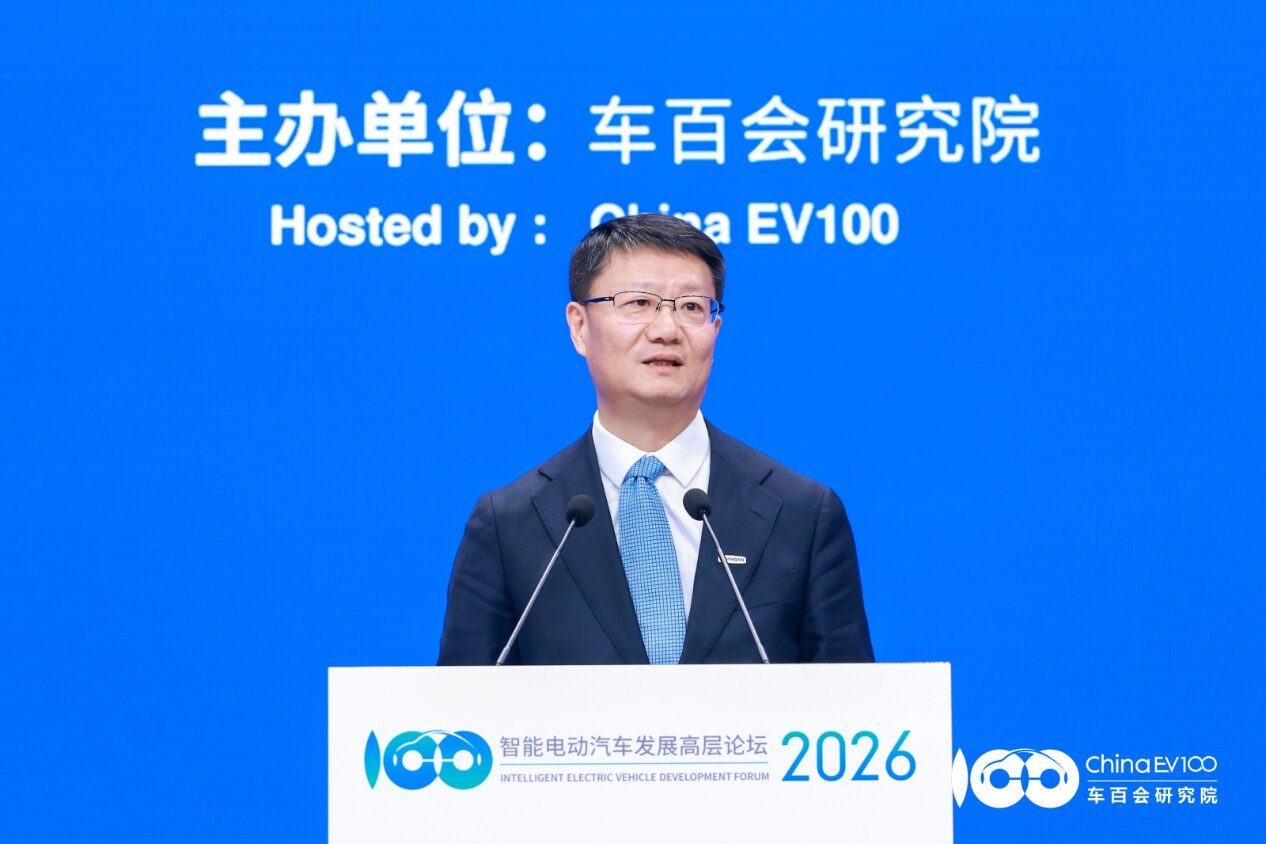
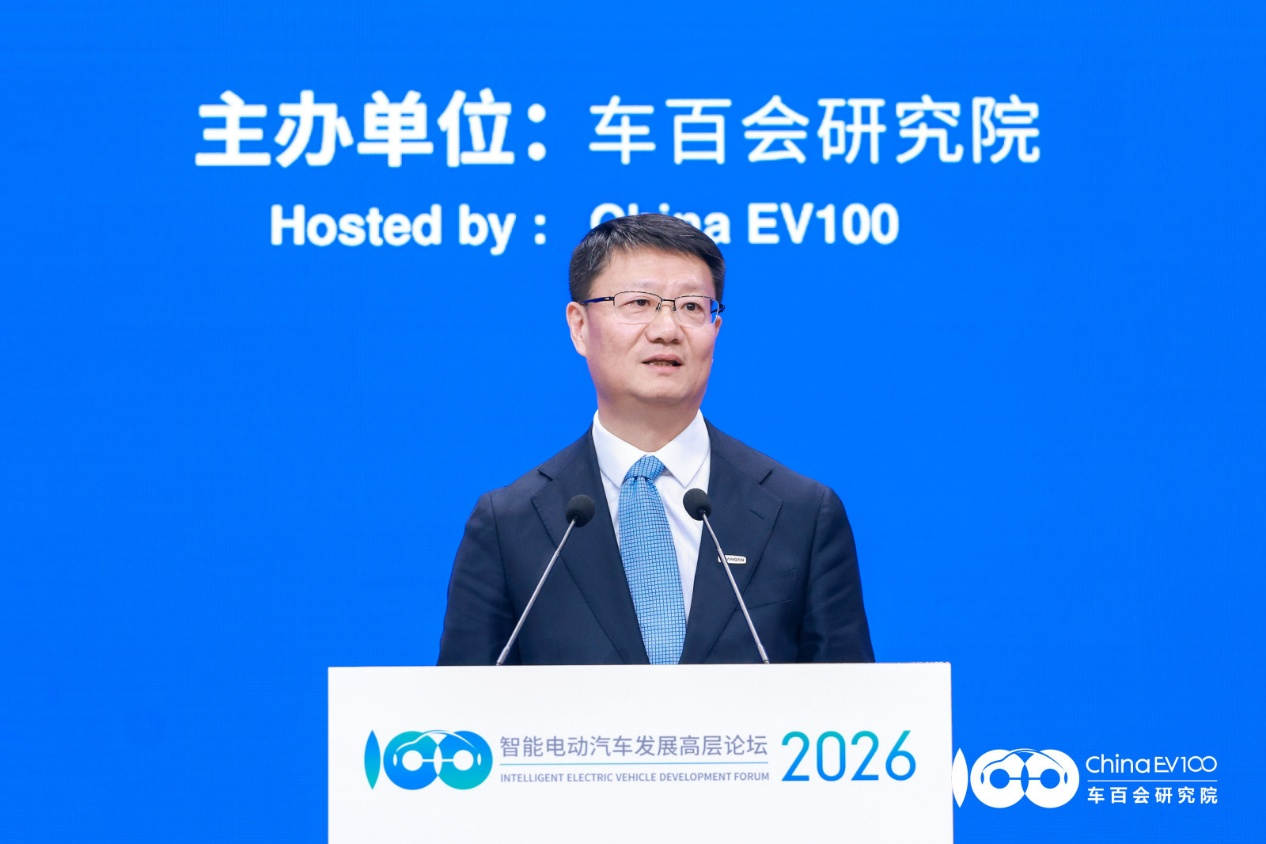
At the Intelligent Electric Vehicle Development Summit, Changan’s President Zhao Fei revealed that the state-owned enterprise—despite being formally established as a central SOE only in July 2023—leverages 163 years of industrial heritage dating back to 1862. With assets exceeding $40 billion and regulatory permissions that remain elusive for even the most advanced Western competitors, Changan is positioning itself as the first truly global Chinese automaker capable of deploying autonomous technology at scale both at home and abroad.
The Regulatory Double-Play: Decoding China’s L3 and L4 Framework
China’s Ministry of Industry and Information Technology (MIIT) operates a bifurcated approval system that makes Changan’s dual certification particularly significant. Unlike the fragmented state-by-state approach confounding autonomous vehicle developers in the United States, Beijing’s centralized regulatory framework is creating clear pathways from testing to commercialization.
L3 Market Admission: Conditional Automation Goes Mainstream
In December 2024, Changan secured first-batch MIIT approval for L3 conditional automation—the level where drivers can legally take eyes off the road during specific scenarios while remaining available for takeover. Crucially, Changan received China’s first dedicated L3 formal license plate, enabling immediate commercial deployment rather than restricted testing.
- Immediate Impact: Unlike Tesla’s Full Self-Driving beta, which operates in regulatory gray zones across most US states, Changan’s L3 systems carry formal product admission permits
- Safety Mandate: Zhao’s declaration that safety is not divided into high and low configurations suggests standardized autonomous safety across price segments, not luxury-tier exclusivity
L4 Robotaxi Testing: The Commercial Frontier
Beyond personal vehicles, Changan recently secured L4 testing licenses for Robotaxi operations—the fully driverless tier that Alphabet’s Waymo and GM’s Cruise have struggled to scale profitably in American markets. This positions Changan to deploy autonomous ride-hailing fleets while Western competitors face municipal bans and safety investigations.
Strategic Implications for Western Investors
For US and European investors evaluating exposure to the autonomous driving revolution, Changan’s regulatory achievements demand attention not because the technology is necessarily superior, but because the commercialization pathway is clearer.
The Regulatory Divergence Thesis
American autonomous vehicle development has fragmented into a patchwork of municipal permits and federal safety investigations. Meanwhile, Beijing’s unified approach—exemplified by Changan’s dual licenses—creates economies of scale impossible in Western markets. As noted in recent Reuters analysis of China’s EV strategy, state-backed OEMs enjoy regulatory coordination that accelerates deployment timelines by 18-24 months compared to Western counterparts.
See our analysis on how China’s centralized AV approval system creates asymmetric advantages for state-owned manufacturers.
Global Expansion Through Technology Export
Changan’s regulatory victories aren’t confined to domestic Chinese markets. The company has already localized production lines in Brazil and established sales channels across 118 countries. Unlike Western robotaxi companies dependent on specific municipal geofencing, Changan’s approach—combining L3 personal vehicles with L4 commercial fleets—creates transferable technology stacks adaptable to emerging markets with limited regulatory infrastructure.
Beyond Software: The Hardware Ecosystem
Changan’s autonomous ambitions rest on strategic partnerships that mirror but exceed Western alliance structures. Collaborations with Huawei (computing architecture), CATL (battery systems), JD Logistics (last-mile delivery), and Haier (IoT integration) create a closed-loop ecosystem. This vertical integration addresses the hardware-software coordination that has delayed Tesla’s Optimus and delayed Apple’s Project Titan.
The Blue Whale Hybrid Advantage
Supporting its autonomous rollout, Changan’s newly released Blue Whale Super Range Extended Hybrid system achieves 1,500 kilometers per tank with urban fuel consumption below 2 liters per 100 kilometers. For Western markets focused on battery-electric transition, Changan’s hybrid approach—combining electric drivetrains with range extenders—offers autonomous-compatible platforms without charging infrastructure dependency, a crucial consideration for robotaxi fleet economics.
What This Means for Competition
Changan’s dual licensing creates a template for other Chinese state-owned enterprises. As Bloomberg reported regarding MIIT’s 2025 regulatory roadmap, Beijing plans to expand L3 commercial permits to 15 additional manufacturers by year-end, while maintaining stricter controls on foreign-owned entities testing in China.
The implication is stark: Western automakers may find themselves technologically capable but regulatorily excluded from the world’s largest EV market, while Chinese SOEs like Changan leverage domestic approval to refine systems for export to Southeast Asia, Latin America, and eventually Europe.
Conclusion: The New AV Hierarchy
The race for autonomous driving supremacy is no longer merely about neural networks and lidar sensors. Changan’s Changan L3 L4 autonomous license achievements demonstrate that regulatory arbitrage—the ability to navigate approval frameworks faster than competitors—may prove as decisive as algorithmic sophistication. For Western investors, the question is no longer which company builds the best self-driving car, but which regulatory environment allows commercialization at scale. Currently, Beijing is winning that race.
Changan Automobile plans to launch its first L3-capable models equipped with the Blue Whale hybrid system in May 2025, with initial Robotaxi pilot programs expected in Chongqing and Shenzhen by Q3.