NIO Li Bin Manufacturing Strategy: Why the CEO Skipped Xiaomi’s SU7 Launch
Inside NIO Li Bin’s Manufacturing Strategy Pivot: From Marketing to Semiconductors
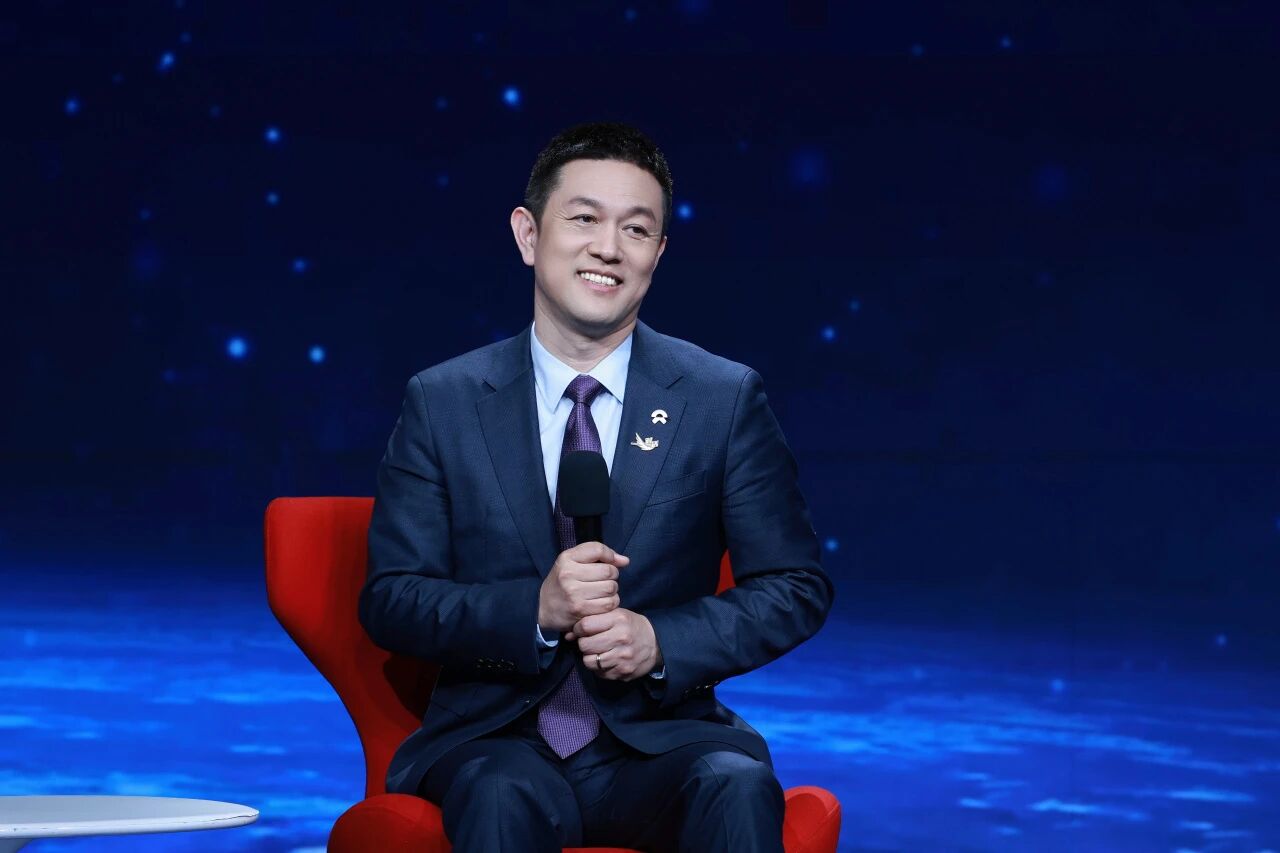
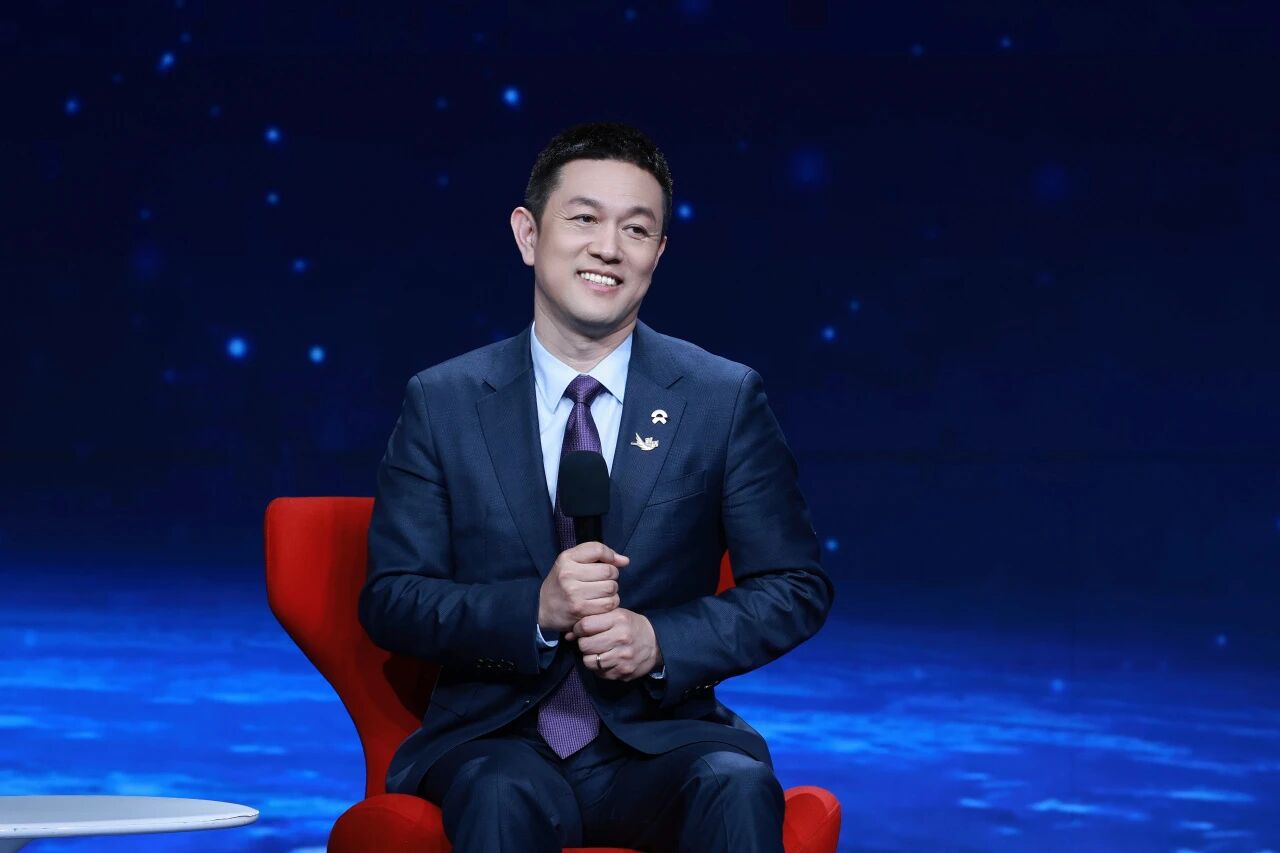
When Lei Jun unveiled the second-generation Xiaomi SU7 on March 19, 2026, the stage featured Wang Chuanfu of BYD, Li Xiang of Li Auto, and He Xiaopeng of XPENG. Conspicuously missing? Li Bin, the once-outspoken CEO of NIO. While his rivals shared the spotlight with Xiaomi’s maverick founder, Li Bin was 300 kilometers away in Shanghai, announcing that NIO had shipped over 550,000 self-developed semiconductors. This absence marks a calculated NIO Li Bin manufacturing strategy inflection point that Western investors cannot afford to ignore.
[Internal Link: See our analysis on How the Chinese EV Price War Is Reshaping Global Automotive Supply Chains]
From Showmanship to Shop Floor: The Pragmatic Shift
Two years prior, Li Bin stood shoulder-to-shoulder with Lei Jun at the first SU7 launch, quipping that Xiaomi’s aggressive pricing kept him awake at night. That was the old NIO—flashy, outspoken, controversial. Remember when he asked why anyone still bought gasoline cars? Or claimed JAC’s factories outclassed Porsche’s? Those soundbites built brand awareness but also burned capital.
Today, Li Bin admits he has become ‘more pragmatic.’ According to Zhou Xiaoying, CEO of Gasgoo Automotive, the transformation reflects maturity: ‘Current Li Bin is far more sophisticated than during NIO’s startup phase. He now emphasizes infrastructure investment and brand culture over controversial remarks.’
The CBU Revolution: Financial Discipline Enters NIO’s DNA
This pragmatism manifests in the CBU (Cell Business Unit) mechanism launched in late 2025. Unlike the freewheeling ‘user service at all costs’ era, NIO now divides operations into discrete business units, each requiring explicit ROI targets. Li Bin’s new mantra: ‘Every yuan must withstand serious financial scrutiny.’
- Cost Accountability: Each CBU operates as a standalone profit center with frozen non-essential spending
- Capital Efficiency: Resources redirected from ecosystem experiments to core vehicle production
- Manufacturing Focus: Doubling down on quality control and supply chain vertical integration
Silicon Strategy: The 550,000-Chip Milestone
While competitors chase the latest hype cycle—humanoid robotics, AI assistants, flying cars—Li Bin’s semiconductor disclosure reveals NIO’s vertical integration bet. At the Shanghai Semiconductor Industry Summit, he emphasized that with barely 1% market share in China’s 30-million-unit annual market, NIO lacks the luxury of distraction.
‘We will focus on automotive products for a considerable time,’ Li Bin stated in closed-door meetings. This contrasts sharply with XPENG’s robotics ambitions and Li Auto’s AI diversification. Reuters reports that Chinese EV makers face a brutal consolidation phase where only manufacturers with technological moats will survive the price war.
Strategic Divergence: The ‘Wei-Xiao-Li’ Trio Splinters
The Xiaomi launch tableau—Wang, Li, and He posing with Lei Jun while Li Bin worked—symbolizes a fragmentation within China’s premium EV triumvirate. Li Auto and XPENG pursue ecosystem plays reminiscent of Tesla’s Optimus strategy, betting that robotics will justify premium valuations. NIO, conversely, retreats to automotive fundamentals: semiconductors, battery swap infrastructure, and manufacturing efficiency.
Bloomberg analysis suggests this divergence reflects differing cash positions. While Li Auto prints profits and XPENG secures deep-pocketed partnerships, NIO’s balance sheet demands austerity. The CBU system effectively acknowledges that NIO cannot afford to out-spend competitors on moonshot projects.
Investment Implications: Why Western Portfolios Should Care
For US and European investors, Li Bin’s pivot offers a mixed signal. On one hand, financial discipline reduces cash burn—a critical concern as CNBC’s EV coverage highlights mounting pressure on unprofitable Chinese automakers. On the other hand, NIO’s absence from the robotics race may limit its valuation multiple if Wall Street decides humanoid robots represent the next automotive frontier.
However, Li Bin’s calculation appears sound. In China’s saturated EV market—where over 100 brands fight for survival—manufacturing excellence and supply chain control offer more durable competitive advantages than speculative robotics ventures. As one analyst noted, ‘You cannot sell robots if you go bankrupt selling cars.’
Recommended Reading
For deeper insight into China’s automotive transformation, consider The Power Surge: Energy, Opportunity, and the Battle for America’s Future by Michael Levi, which contextualizes the global energy transition driving EV adoption. While focused on US policy, Levi’s analysis of manufacturing competitiveness provides essential background for understanding why Li Bin’s semiconductor obsession matters.
Conclusion: The New NIO Playbook
Li Bin’s absence from the Xiaomi SU7 launch was not a scheduling conflict but a strategic declaration. By choosing semiconductor milestones over photo opportunities, NIO signals its transition from a cash-burning startup to a manufacturing-centric incumbent. In a market where analysts predict only 5-10 major players will survive the current decade, this focus may prove more valuable than friendship with Lei Jun.